
 2025-11-16
AI Coaching: Improving Human Performance
Ever ponder how artificial intelligence (AI) can help us advance our abilities and achieve our objectives? Or how the idea of coaching might change as technology and human interaction collide?
Traditional coaching techniques are no longer sufficient in this age of rapid technological advancement. Using AI has become crucial, not to replace coaches but to enable them to enhance human performance and produce measurable outcomes.
The Confluence of Coaching and AI
AI is now a reality that is intricately woven into many facets of human development, including coaching. It is no longer a sci-fi fantasy. This cutting-edge intersection raises issues regarding the changing dynamic between humans and machines in support and growth processes while simultaneously providing coaches with practical tools. It offers enormous opportunities as well as formidable obstacles.
AI as a Potent Coach Support Tool
AI offers sophisticated tools for processing and analyzing data about the performance and behavior of clients. By using these insights, coaches can gain a deeper understanding of and effectively address the unique needs of each individual, thereby tailoring coaching programs to their specific requirements.
For example, at a coaching conference, American psychologist Martin Seligman gave an example of how AI can produce in-depth personal narratives at the beginning of a coaching relationship. The depth of these stories astounded the participants, and some even learnt things about themselves they had never known existed.
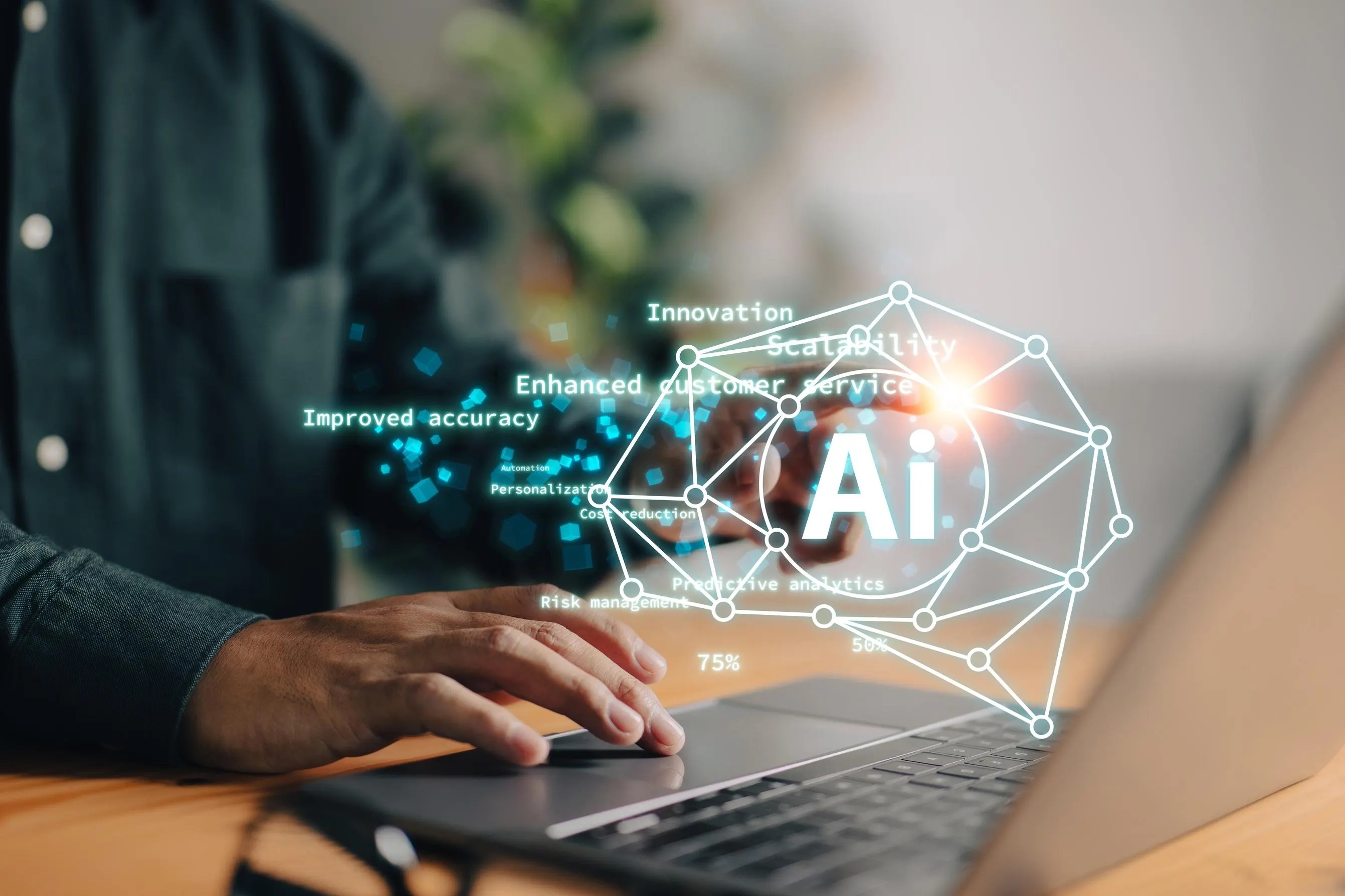
Furthermore, AI-powered coaching systems use advanced algorithms, Natural Language Processing (NLP), Machine Learning, and data analytics to create personalized coaching plans. These systems analyze user data, track progress, and offer guidance tailored to each client’s needs.
AI-Driven Coaching: Opportunities and Challenges
Opportunities
- Reaching more people for less money: AI tools empower coaches to scale their businesses by creating automated programs that serve hundreds of clients simultaneously without compromising 68% of coaching businesses say AI has allowed them to grow without hiring more employees, according to Zipdo.
- Performance analysis: By offering real-time tracking, data-driven insights, and personalized development plans, AI improves performance monitoring.
- Automating repetitive tasks: AI can manage repetitive tasks such as reminders, session scheduling, and discussion summarization, freeing up coaches to focus on the emotional and analytical aspects of coaching.
Challenges
- Privacy and security: Personalizing coaching through AI involves analyzing sensitive client data, such as performance metrics and behavioral patterns, which poses significant privacy risks. Organizations must implement strict data protection strategies to safeguard trust and maintain ethical standards.
- Lack of empathy: Although AI is capable of analyzing behavior, it lacks genuine empathy, which is essential for understanding emotions and motivating
- Algorithmic bias: According to a study published in the International Journal of Machine Learning and Cybernetics, data bias can lead to unfair results and reduce the precision of insights and recommendations generated by AI.
How AI Enhances the Coaching Experience?
AI serves as an analytical partner that enhances the quality of coaching sessions, in addition to automating administrative tasks. AI creates new opportunities for individualized feedback and development by processing vast amounts of data and providing accurate insights.
1. Intelligent Data and Performance Analysis
AI tools analyze massive datasets to determine the strengths, weaknesses, and potential growth areas of clients. They can evaluate engagement, stress levels, and professional performance to derive insights that improve results and progress.
2. Instant and Personalized Feedback
Real-time, personalized feedback is one of AI's most beneficial contributions. AI-powered chatbots, for example, can use voice analysis to identify tone patterns or provide post-session advice, assisting clients in changing their behavior and improving right away.
AI and Coaching's Future
Building Trust in AI-Enhanced Coaching
AI should not be viewed as a substitute for human coaches, but rather as an aid. Although AI is making remarkable advancements, human coaches still hold a distinct advantage due to their emotional intelligence and empathy. No machine can completely replace the irreplaceable human quality of being able to navigate complex emotions, connect deeply, and establish trust.
Balancing Technology with the Human Touch
The human element will always be essential, regardless of how sophisticated AI gets. Humans are naturally empathetic, intuitive, and emotionally aware. To create a transparent and client-centered experience where users have control over how their data is used, coaching's future lies in striking a balance between AI's accuracy and human insight.
Conclusion
AI-driven coaching is a strategic development that is redefining how we improve human performance, not just a fad. The combination of data, algorithms, and human knowledge is unlocking previously unexplored possibilities for both professional and personal growth. The future of coaching appears to be more potent, individualized, and transformative than ever before, striking a balance between human empathy and digital intelligence.
This article was prepared by trainer Ibrahim Mohamed, an ICTM certified coach.