 2025-11-23
Coaching Delivery Models: Your Guide to Choosing the Coaching Model that Suits Your Schedule and Goals
Tired of repeated attempts yielding no tangible professional or personal progress?
The International Coaching Federation (ICF) reports a staggering 95% of clients achieve marked improvement in self-confidence and work-life balance.
Amidst diverse coaching delivery models, this guide offers the ultimate framework for selecting the optimal support structure aligned with your goals.
Asynchronous Coaching: Support on Your Schedule
The demands of today’s fast-paced, remote working culture necessitate coaching modalities that move beyond rigid, fixed-time sessions. We define this model, detail its mechanics, identify its key audience, and highlight the benefits of this agile approach.
What is Async Coaching?
Asynchronous Coaching is guidance that sidesteps the need for live, direct synchronisation. Interaction flows via tools that permit content exchange at the client's and coach's convenience.
Mechanism & Channels:
- Voice Notes: Client challenges and coach feedback exchanged via audio messaging (e.g., "Voxer").
- Video Snippets: Pre-recorded content for exercises and challenge briefs.
- Shared Docs: Collaborative review of goals and progress tracking (e.g., "Google Docs").
- Messaging: Ongoing dialogue via platforms like "WhatsApp" or Email.
Documenting ideas and hurdles sharpens self-awareness and analysis. Early adopters like "Coach.me" validated that continuous messaging access ensures sustained, effective application.
Who is it for?
This format is the quintessential choice for those facing severe time pressures or significant geographical separation, making it a staple of modern professional coaching.
Ideal Users Include:
- The Time-Constrained: Individuals unable to commit to weekly fixed slots.
- Global Teams: Employees operating across disparate time zones.
- Solopreneurs & Freelancers: Seamlessly integrating sessions during routine breaks.
- The Reflective Client: Those who require processing time before forming articulate responses.
Core Benefits: Depth, Definition, and Scale
The principal advantages are:
- Deeper Reflection: Sufficient time for challenge analysis, fostering lasting change.
- More precise Boundaries: Protecting the coach’s focus and preventing an "always-on" expectation.
- Scalability: Supporting more clients at a lower per-unit cost.
- Total Client Flexibility: Effortless integration of the coaching journey into daily life.
"Asynchronous coaching is a flexible support model facilitated through channels that do not require immediate interaction, such as voice or video messages. This model suits individuals with busy schedules and global teams, allowing ample time for deep reflection before responding, thereby enhancing the quality of self-contemplation."
Micro & On-Demand Coaching: Immediate Impact
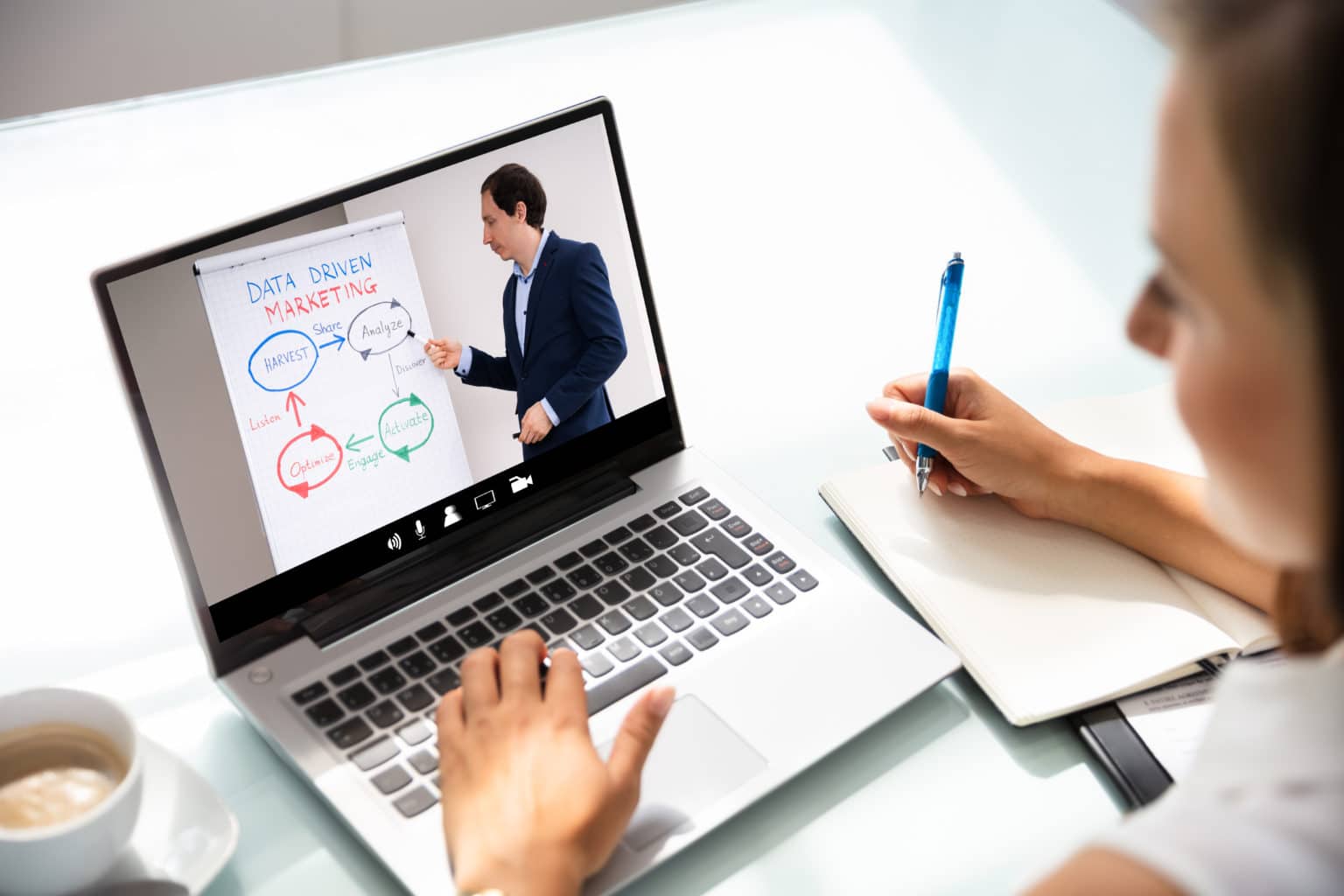
In today's high-velocity business landscape, the luxury of waiting for a weekly session to resolve an urgent challenge is obsolete. This model revolutionizes support, providing rapid, focused guidance exactly when needed. We explore this key trend, its mechanism, and its critical applications.
Micro-Coaching Defined: Focused Sprints (15-30 mins)
Micro-Coaching is an intensive, brief format (15-30 minutes) dedicated to resolving a singular challenge. The core objective is instant client enablement through a sharp, implementable strategy.
Foundational Tenets:
- Precision Challenge Mapping: Clear problem definition pre-session.
- Laser Focus: Powerful questions yielding an actionable plan within the tight timeframe.
- Immediate ROI: Success measured by the client's capacity for instant insight application.
The Digital Enabler: On-Demand Access
Digital platforms are pivotal to the success of On-Demand Coaching, positioning it as a dynamic core of digital support.
Platform Capabilities:
- Instant Match: AI algorithms instantly pair clients with the specialist coach.
- Seamless Booking: Automated scheduling bypasses traditional administrative overhead.
- Fluid Contact: Flexible channel options ensure uninterrupted assistance.
Industry leaders like "BetterUp" and "CoachHub" successfully integrated micro-coaching as a fundamental service for major organizations, demonstrably boosting in-house performance agility.
Optimal Application: High-Stakes Interventions
The intrinsic value of micro-coaching lies in its ability to intervene effectively during peak pressure moments—an ideal complement to corporate group coaching.
Primary Scenarios:
- Critical Meeting Readiness: Confidence boosting and core message rehearsal pre-event.
- Conflict De-escalation: A Key Communication Tactic for Stress Management.
- Rapid Decision Clarity: Gaining instant foresight when facing a strategic impasse.
- Acute Stress Mitigation: Employing swift coping techniques for sudden pressure spikes.
"Micro-coaching and on-demand coaching offer short, focused sessions via digital platforms to address immediate challenges. This model is ideal for professionals who need quick support to prepare for an important meeting or make an urgent decision, making coaching a practical and accessible tool available anytime."

Group Coaching: Unleashing Collective Power
As organizations scale their development needs, Group Coaching offers a crucial, superior alternative. It leverages peer learning to turn individual challenges into shared organizational competence. We explore its delivery, inherent benefits, and core applications.
Delivery Model: Shared Focus, Single Facilitator
Group Coaching mandates one expert coach leading a focused cohort (typically 6–12 participants) defined by a single, overriding objective.
Differentiating Factors from Training:
- Solution-Driven: Facilitation focused on empowering self-generated solutions, not merely knowledge transfer.
- Dynamic Insight: Harnessing group interaction as the core mechanism for breakthrough insight.
- Confidentiality Pledged: Cultivating a safe sharing space through rigorous, explicit ground rules.
- Tangible Next Steps: Every session concludes with clear, measurable action commitments.
Value Proposition: Psychological Uplift and Career Leverage
The value extends far beyond mere cost-effectiveness, offering significant psycho-social and professional advantages.
Key Upsides:
- Mutual Accountability: Fosters a powerful sense of shared commitment and reduced isolation.
- Perspective Broadening: Deepens cross-functional empathy and peer understanding.
- Goal Harmonization: Aligns team members around pivotal organizational goals.
- Strategic Networking: Builds a resilient, professional support ecosystem.
Key Use Cases: Organisational Impact
ICF data consistently confirms the potency of Group Coaching within corporate settings, especially when addressing targeted, common institutional pain points.
Core Applications:
- Emerging Leadership: Accelerating new managers facing shared transition challenges.
- Change Navigation: Supporting teams through restructuring and complex organizational shifts.
- Core Skill Mastery: Cohorts focused on refining vital soft skills (e.g., communication, conflict).
- Startup Scalability: A highly efficient and cost-effective development path for nascent firms.
"Group coaching pairs a professional coach with a small group of individuals who share common goals. This model provides a supportive environment for learning from others' experiences and expanding professional networks, proving especially effective in leadership development programs and managing career transitions within organizations."

Hybrid Models: Blending the Best of All Worlds
As the development market matures, the lines between coaching modalities blur, giving rise to Hybrid Models. These comprehensive, flexible solutions leverage modern technology to maximize their impact.
This section explores the innovative integration of human interaction and technology, detailing how to design development programmes that decisively move beyond 'one-size-fits-all' solutions.
AI Augmentation: Initial Insights and Progress Tracking
Integrating human coaching with Artificial Intelligence (AI) capacity is a pivotal efficiency revolution.
The Role of AI is Defined By:
- Pre-Session Insight: Analyzing client input/text to provide initial performance assessments before the session.
- Automated Accountability: Platforms act as an 'algorithmic monitor', tracking client commitment and offering tailored encouragement.
- Personalized Resource Curation: Precisely identifying skill gaps and instantly delivering bespoke learning materials.
Digital Sessions Merged with Immersive Retreats for Deep Impact
Sustainable development requires a blend of focused reflection (through retreats) and continuous engagement (via digital platforms).
This Fusion Operates As Follows:
- Digital Sessions: Weekly online meetings ensure consistency and ongoing momentum.
- Immersive Retreats: Intensive annual off-sites (2–5 days) for applying skills in a pressure-free environment.
- Controlled Application: Providing opportunities to trial new behaviours within a safe, simulated setting.
Designing Bespoke Programmes: Blending Modalities
Customization is the hallmark of the hybrid model, where the development pathway fuses multiple approaches:
- One-on-One Coaching: For sensitive challenges or deep, specific leadership skill enhancement.
- Group Coaching: For cultivating shared skills and expanding professional networks.
- Asynchronous Coaching: Used for text/voice exchanges, ensuring immediate, flexible, 'always-on' support.
A "Deloitte" report affirms that Blended Solutions represent the future of Learning & Development (L&D), meeting diverse employee needs and ensuring continuous learning within the modern workplace.
"Hybrid models represent the future of coaching, merging the best available elements. A program may combine one-on-one coaching sessions, group support, and asynchronous communication, utilizing AI for data analysis and insight delivery, thereby creating a comprehensive and fully personalized development experience."

Quick Comparison Matrix
This matrix illustrates how each model specializes in tackling specific challenges.
|
Coaching Model |
Best Suited For |
Key Differentiator |
|
Asynchronous |
Time-Constrained Professionals |
Ultimate Flexibility & Deep Reflection |
|
Micro/On-Demand |
Immediate, Urgent Challenges |
Speed, Intensity, and Hyper-Focus |
|
Group Coaching |
Team/Leadership Development |
Peer Learning & Cost-Effectiveness |
|
Hybrid Models |
Comprehensive Skill Development |
Total Customization & Sustained Impact |
FAQs
1. How do I select the right coaching model for me?
Your choice hinges on your goals, budget, and schedule. For extreme flexibility and self-reflection, the Asynchronous model is ideal. If you need a rapid solution to an immediate problem, Micro/On-Demand is the superior option. For team development and leadership scaling, Group and Hybrid models often provide the most profound impact.
2. Is virtual coaching as effective as face-to-face coaching?
Yes. Numerous studies indicate that digital coaching can be equally, if not more, effective than traditional in-person methods. It offers greater flexibility and broader access to top coaches worldwide.
3. What is the role of AI in coaching? Will it replace human coaches?
AI serves as an augmentation tool, not a replacement. It excels at scheduling, goal tracking, analyzing behavioral patterns, and curating learning resources. However, it critically lacks the empathy, intuition, and human experience that a certified professional coach provides.
Conclusion: Beyond Traditional Coaching
The future of coaching is no longer confined to one-on-one sessions. These four models—Async, On-Demand, Group, and Hybrid—represent holistic development programs.
Start today by analyzing your daily roadblocks and selecting the innovative coaching model that guarantees the tangible success you deserve.
Engage with Us: Which model feels most aligned with your current professional challenges? Be sure to share this article to foster a culture of continuous learning and development among your peers.
This article was prepared by trainer Sumia Al-Ahmad, an ICTM certified coach.