
 2026-01-13
Inclusive Training Contracts for Special Needs Learners in a World That Will Not Slow Down
What if a training contract weren’t just a formality—but a living agreement that actually worked for the learner it’s meant to serve? Especially for individuals with special needs, the way training contracts are designed can be the difference between participation and exclusion, progress and stagnation.
According to a 2023 report by the International Labour Organization, nearly 15% of the global population faces barriers to accessing appropriate training—barriers that often spill over into limited employment opportunities. This isn’t a marginal issue; it’s a systemic one.
This article lays out a practical, legally grounded roadmap for drafting flexible, inclusive training contracts—contracts that adapt to real human needs rather than forcing learners to fit rigid templates. If you’re ready to rethink what “training” really means for this essential group, consider this your reset moment.
The Legal Backbone: Why Structure Still Matters
Flexibility doesn’t mean informality. On the contrary, drafting inclusive training contracts for learners with special needs requires a strong legal foundation. A clear understanding of the governing legal frameworks ensures that these contracts are fair, enforceable, and protective of everyone involved—from the learner to the training provider.
Well-designed contracts strike a balance: they create room for personalization while preserving legal clarity and accountability.
The Non-Negotiables: Core Elements Every Contract Must Include
Even the most adaptive training contract needs a solid core. At a minimum, the following elements should be clearly defined:
|
Key Element |
Essential Contract Details |
|
Profession / Training Field |
Must be clearly defined, with detailed learning objectives and skills to be acquired, aligned with the learner’s abilities and unique needs. |
|
Training Duration |
Should be precisely specified, while allowing flexibility to accommodate the learner’s individual pace of progress—an essential consideration. |
|
Compensation / Financial Support |
If applicable, compensation must be stated transparently, along with any allowances or additional accommodations, to protect the learner’s rights and encourage continuity. |
Why Contracts Can’t Be “Set and Forget”?
Inclusive training contracts should never be static documents gathering digital dust. Legal oversight and periodic reviews are essential—and they serve multiple purposes:
- Staying Legally Current: Laws evolve. So do international standards. Regular reviews ensure contracts remain compliant while adjusting to the learner’s changing needs.
- Safeguarding Interests: Involving legal professionals with expertise in education or labor law helps ensure the contract protects both parties fairly and comprehensively.
- Measuring Real Impact: Reviews shouldn’t stop at legality. They should also ask: Is this contract actually supporting the learner’s growth and progress?
- Preventing Conflict: Neglecting reviews increases the risk of disputes—or worse, well-intentioned programs that fail to deliver meaningful outcomes.
From Generic to Personal: Embedding Special Needs Into the Contract
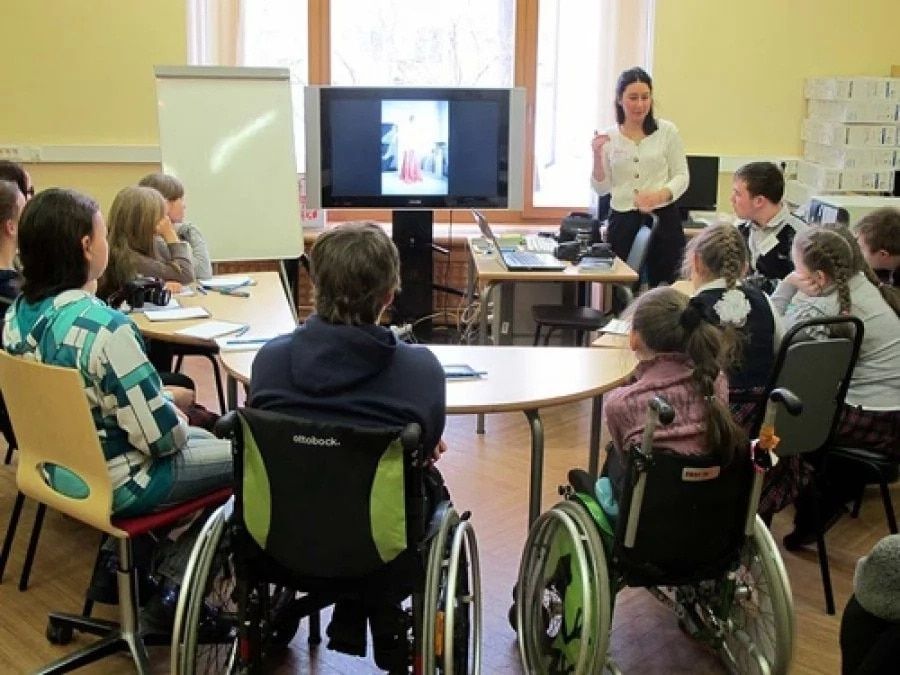
True inclusion begins where generic language ends. To unlock real value, training contracts must explicitly address each learner’s individual needs, challenges, and learning conditions. This level of detail isn’t optional—it’s foundational to designing contracts that actually work.
1. Individualized Education Plans (IEPs): The Contract’s North Star
Integrating Individualized Education Plans (IEPs) into training contracts is a game-changer. IEPs translate a learner’s strengths and needs into clear goals, support mechanisms, and measurable outcomes. They may include tailored learning objectives, adapted curricula, assistive technologies, or additional support sessions.
Around the world, strong models already exist:
- In Saudi Arabia, the Al-Aoun Center actively contributes to developing and implementing IEPs.
- In the United Arab Emirates, the Al Noor Training & Charity Association for Persons with Disabilities offers a leading example.
- Globally, organizations like UNICEF and Plan International support inclusive education frameworks at the governmental level.
- Finland’s education system is often cited as a gold standard for early intervention and individualized planning.
- Digitally, platforms such as Ynmo in the Arab region enable structured, technology-driven IEP management.
When embedded into contracts, IEPs stop being side documents—and start shaping the learner’s experience.
2. Fair Measurement: Alternative Assessments and Smart Accommodations
Progress shouldn’t be measured with a one-size-fits-all ruler. Inclusive training contracts must explicitly guarantee the learner’s right to alternative assessments and reasonable accommodations throughout the training journey.
These may include extended assessment time, assistive technologies, or delivering instructions through multiple channels—visual, auditory, or tactile—so learners can demonstrate competence without unnecessary barriers.
Best practices are already visible across sectors:
- Microsoft and Google lead the way in accessibility tools such as screen readers and speech recognition, embedding inclusion directly into training environments.
- Universities, including Georgetown University in Qatar, UC Berkeley, and the University of Oxford, offer structured exams and curriculum accommodations.
- Experts from institutions like the Medad Center for Educational Studies and Research continue to develop diverse, alternative assessment models.
3. Learning Isn’t a Race: Adapting Content and Pace
Finally, inclusive contracts must acknowledge a simple truth: people learn differently. Training content should be adaptable, and timelines flexible enough to respect individual learning rhythms without imposing artificial pressure.
This approach is already reshaping learning globally:
- Global educational platforms such as Khan Academy provide free learning content that allows learners to progress at their own pace.
- Online learning platforms like Coursera and edX offer training courses that enable learners to control learning speed and access materials at any time.
- At the corporate level, organizations such as Accenture and JPMorgan Chase are known for inclusive training programs that feature flexible structures and adaptable content.
- Academies such as Mada Academy in Qatar aim to empower individuals through inclusive training that respects individual differences.

When Training Changes, Contracts Must Keep Up?
In fast-moving training and work environments, contract flexibility isn’t a “nice to have”—it’s a deciding factor in whether programs for learners with special needs succeed or quietly fail. Well-designed training contracts must be sturdy enough to protect everyone’s rights, yet elastic enough to adapt when real life intervenes.
The goal isn’t looseness for its own sake. It’s creating a supportive framework that bends without breaking—one that respects the learner’s realities while preserving program integrity and accountability.
1. Choice as a Feature, Not a Flaw: Accepting or Declining Tasks
At the heart of flexible training contracts is a simple but powerful idea: agency. Learners—or their legal guardians, when applicable—should have the right to accept or decline specific training tasks or activities.
This isn’t about lowering expectations. It’s about acknowledging limits honestly and designing around them intelligently.
A well-structured contract may, for example:
- Allow a learner to opt out of tasks that conflict with a medical or health condition
- Enable adjustments to training hours to accommodate therapy or treatment schedules
- Offer alternative activities that meet learning objectives without unnecessary strain
When learners are given this degree of autonomy, something important happens: fatigue drops, motivation rises, and training outcomes improve. Respect, in this context, becomes a productivity tool.
2. The Reality Check: Challenges of Flexibility—and How to Solve Them
Of course, flexibility doesn’t implement itself. Organizations often encounter real friction when trying to operationalize it, including:
- Defining how much flexibility is reasonable without diluting training goals
- Maintaining clear, consistent communication between learners and trainers
- Ensuring that changes are properly documented and legally sound
To address these challenges, the following solutions may be adopted:
- Clear modification procedures: Contracts should spell out how adjustment requests are submitted, reviewed, and approved, with realistic response timelines.
- Advisory committees: Cross-functional committees—bringing together experts in special education and law—can evaluate flexibility requests objectively.
- Written documentation: Every approved change should be recorded as a formal contract addendum to ensure transparency and legal protection.
- Trainer preparedness: Trainers need targeted training to manage flexible contracts and understand diverse learner needs.
- Regular reviews: Periodic evaluations help identify what’s working, what’s not, and where flexibility can be refined.
Inclusive contracts only succeed when they’re anchored in clear quality and accountability mechanisms. Flexibility should never come at the expense of rigor.
That’s why contracts must explicitly guarantee the delivery of high-quality training—and define how performance will be measured and improved over time.
Ensuring Training Quality and Accountability
To ensure the success of flexible and inclusive training contracts for learners with special needs, a strong focus on training quality and accountability mechanisms is essential. Contracts should include clauses that guarantee the delivery of high-quality programs, along with clear methods for performance evaluation and continuous improvement.
Quality Standards in Training Programs
Effective training programs must be grounded in clear quality standards explicitly stated in the contract. These standards ensure that learners receive a valuable educational and training experience, and include:
- Trainer qualifications: Verifying trainers’ expertise and competence in working with learners with special needs.
- Educational content: Ensuring content is relevant, up to date, and adaptable to individual needs.
- Training environment: Guaranteeing a supportive, inclusive, and accessible environment (physical or virtual).
- Resources and accommodations: Confirming the availability of assistive tools, technologies, and tailored materials.
- Trainer-to-learner ratio: Defining the number of learners per trainer to ensure adequate support.
Continuous Evaluation: The Engine of Real Improvement
No contract should assume perfection from day one. Continuous evaluation is what turns good intentions into sustained performance.
Effective contracts define evaluation mechanisms that track both learner progress and program effectiveness, such as:
- Periodic learner assessments to measure skill acquisition and goal achievement
- Structured feedback from learners and trainers to surface blind spots
- Regular curriculum reviews to adjust content and teaching methods
- Progress reports that document achievements, challenges, and next steps
- Clear accountability and dispute-resolution pathways when standards aren’t met
Closing Perspective: Flexibility as a Strategic Investment
Drafting flexible and inclusive training contracts for learners with special needs isn’t just a compliance exercise. It’s a long-term investment in human capital—and, by extension, in the resilience of our societies and labor markets.
When legal clarity, individualized planning, appropriate accommodations, and respect for individual differences come together, training stops being exclusionary by default. Learners aren’t merely accommodated; they’re empowered.
The real question isn’t whether organizations should adopt these principles—but how soon they’re willing to act on them. What will be the first signal your organization sends that inclusion isn’t a slogan, but a standard?
This article was prepared by trainer Sumya Al-Ahmad, an ICTM certified coach.