 2025-11-25
Is Coaching the Optimal Solution for Hybrid Work Challenges?
Struggling to navigate the business landscape? While entrepreneurship is a crucial economic driver, the latest Global Entrepreneurship Monitor (GEM) report reveals a stark reality: nearly 49% of individuals avoid launching a venture due to a fear of failure, underscoring the vital need for essential know-how.
Ready to transform your passion into a thriving business? We break down the journey, step by step.
Work-Life Balance: Coaching Support for Remote Professionals
Do you often feel like you're working around the clock with no real distinction between your professional duties and personal life? Achieving work-life balance is a primary challenge for remote employees, and it is absolutely critical for sustained productivity and mental well-being.
In this section, we explore how coaching serves as a powerful tool to overcome this dilemma and establish healthy priorities.
Fading Lines: The Pitfalls of Working From Home
The ubiquitous rise of remote work has fundamentally eroded the demarcation between professional time and personal life, precipitating a host of critical challenges. Key challenges include:
- Boundary Erosion: The home office setup inhibits clear boundary setting, fostering the perpetual sense of being "always on.
- Social Isolation: Remote workers often miss daily interactions with colleagues, which can lead to loneliness and negatively impact their mental well-being.
- Digital Fatigue: Constant screen exposure and virtual meetings impose significant mental and physical strain.
- Time Management Struggles: The absence of a structured office routine compromises effective task organisation and workflow prioritisation.
- Lack of Management Visibility: Remote staff’s reduced visibility to leadership often impairs their access to essential guidance and development.
Coaching: The Catalyst for Prioritisation and Healthy Boundaries
Coaching is defined as a guidance process aimed at helping individuals achieve goals and develop skills, while hybrid work is a model that merges office-based and remote work.
In a hybrid setting, coaching plays a crucial role in helping individuals reclaim control over their lives. The coach collaborates with the employee to pinpoint personal and professional goals, followed by developing a clear action plan for effective prioritisation.
Furthermore, through targeted questioning, the coach assists the employee to:
- Discern what truly matters.
- Establish firm boundaries with colleagues and managers.
- Master the skill of saying "no" to non-essential assignments that may cause undue burnout.
This process ensures the employee focuses on high-value activities without sacrificing personal time.
Case Study: Coaching Overcoming Digital Burnout
Digital burnout is defined as a state of severe mental and physical exhaustion resulting from prolonged exposure to technology and being perpetually connected.
To illustrate the effectiveness of coaching in addressing remote work challenges, consider a high-achieving employee who is experiencing this fatigue. He was clocking over 12 hours a day, yet felt he wasn't achieving anything substantial.
Following the coaching sessions, he began setting daily, mission-critical tasks and implemented a rigid schedule that defined work and rest periods.
With this dedicated support, he successfully managed to:
- Cut his working hours back to a standard eight-hour day.
- Control email checking outside of working hours.
- Restore his professional-personal balance.
- Significantly enhance his quality of life.
According to a Gallup report, nearly 76% of remote employees have experienced burnout at some point, underscoring the importance of external support, such as coaching, in addressing this widespread issue.
"Coaching for remote work challenges is a vital tool for navigating the work-life balance dilemma. Through these sessions, employees gain clarity on both professional and personal goals, establish clear boundaries, and thereby mitigate burnout while enhancing their mental well-being."
Building Robust Team Culture: Hybrid Work Challenges and Opportunities
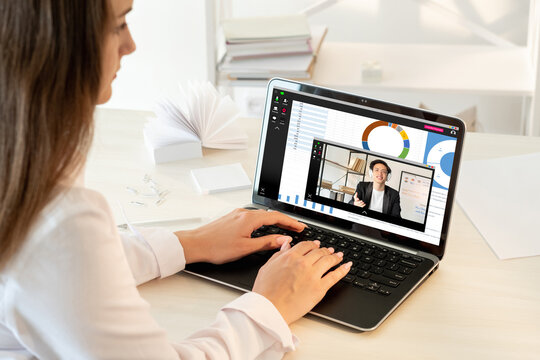
Have you ever felt disconnected from your colleagues, particularly in a remote setting? Forging a cohesive team culture is inherently difficult without consistent, face-to-face interaction. Maintaining effective communication and mutual trust remains a primary challenge for contemporary organisations.
In this section, we explore how coaching can serve as a pivotal tool to enhance these aspects and promote harmony.
The Non-Verbal Void: Impact on Team Dynamics
In traditional office settings, communication heavily relies on non-verbal cues such as:
- Body language.
- Tone.
- Facial expressions.
These cues are vital for interpreting emotions and intentions. Conversely, remote communication often lacks these essential signals, leading to:
- Misinterpretation and Misunderstanding: Written responses are often misinterpreted without considering the sender's tone or expression.
- Impaired Team Cohesion: The absence of personal interaction reduces solidarity among members, hindering the formation of strong working relationships.
- Diminished Team Effectiveness: Members struggle to coordinate and collaborate seamlessly, negatively affecting overall productivity.
This challenge requires teams to develop new mechanisms for greater clarity and transparency in communication.
Coaching: Fostering Trust and Transparency
Coaching in a hybrid environment plays a significant role in building bridges of trust among team members. Through both group and individual coaching sessions, employees are empowered to:
- Express concerns and opinions openly.
- Break down virtual communication barriers.
Furthermore, the coach guides them towards adopting positive communication habits, such as:
- Asking direct questions to avert confusion.
- Providing clear and transparent constructive feedback.
- Acknowledging individual efforts and highlighting collective achievements.
These practices not only enhance transparency but also deepen trust, making members more willing to support one another.
The Role of Coaching in Conflict Resolution and Collaboration
Beyond building trust, coaching for remote work challenges is an effective mechanism for resolving conflicts that often arise from miscommunication and misunderstandings. The coach acts as a neutral facilitator, helping disputing parties to:
- Comprehend varying perspectives.
- Reach mutually agreeable compromises.
- Develop crucial negotiation and active listening skills.
Through this structured process, coaching significantly improves team cooperation.
For instance, Riyadah Consulting, an Arabic consulting firm, implemented a coaching programme to enhance communication among its remote teams.
Following this initiative, they reported:
- A significant improvement in staff interaction and collaboration.
- A reduction in instances of misunderstanding.
Ultimately, this bolstered the firm's overall productivity.
"Coaching for remote work challenges is pivotal in building a robust team culture by addressing communication gaps. It empowers leaders to utilise active listening and open questioning, enhancing transparency and effectively resolving conflicts, thereby strengthening team harmony."
Performance Review and Feedback: Coaching in a Hybrid Context
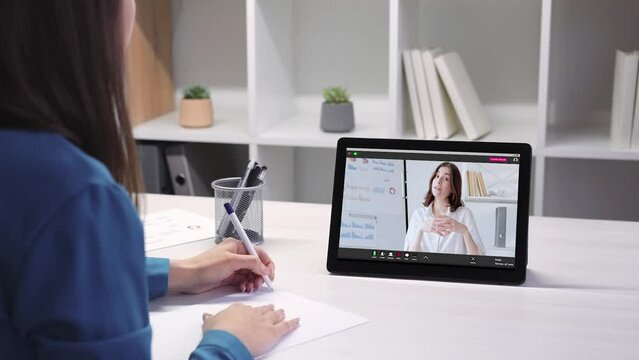
Do you sometimes feel the annual performance review is a mere, valueless formality? With the rise of hybrid work, traditional assessment methods must be revisited. Providing effective, continuous feedback is crucial for employee motivation and development.
In this section, we explore how coaching can transform performance assessment into a continuous, purpose-driven process.
The Challenges of Traditional Annual Remote Review
The conventional annual review model suffers from multiple shortcomings in a remote environment, including:
- Difficulty in Performance Measurement: Managers struggle to accurately quantify performance without direct supervision accurately, often shifting their focus to final outputs rather than the hours worked or effort exerted.
- Lack of Immediate Feedback: The annual review is inherently backwards-looking, denying employees the chance to course-correct or improve performance instantly.
- Absence of Clear Metrics: Defining clear, uniform review criteria for all staff can be challenging, especially given varying roles and responsibilities.
- Limited Personal Connection: The lack of face-to-face interaction complicates the interpretation of emotions and intent, often making review sessions feel overly formal or impersonal.
Shifting Review to Continuous Coaching Sessions
The ideal solution to these challenges is transforming the annual review into an ongoing coaching process. Instead of focusing solely on past performance, coaching in hybrid work is future-focused, helping employees regularly define their goals and develop the necessary skills to achieve them.
This shift can be achieved through several strategies:
- Joint Goal Setting: At the start of each quarter or month, the coach and employee define measurable goals that are linked to their respective duties. Example: Moving from a vague goal like "improve skills" to "complete a digital marketing certification within two months."
- Regular Check-in Sessions: Instead of waiting for the annual assessment, short, frequent sessions are held to:
- Discuss progress.
- Identify roadblocks.
- Provide necessary support.
- Open Questions: The coach encourages the employee to express their views and experiences through questions like:
- "What is currently going well?"
- "What challenges are you facing now?"
This approach establishes a foundation of trust between the manager and employee, making the staff member more receptive to feedback and more likely to take effective action.
The Value of Immediate, Future-Oriented Feedback
In remote settings, the importance of immediate, future-oriented feedback is amplified. Feedback must be swift and targeted toward specific objectives, allowing the employee to instantly course-correct.
For instance, instead of waiting until year-end to review a project, a manager can hold a hybrid coaching session every two weeks to discuss progress and identify potential obstacles.
A session might follow this structure:
- Opening Question: "What was your biggest challenge this week?"
- Exploring a Solution: "What potential solutions are you considering? And how can I support you in achieving them?"
- Action Plan: "What is the next step you will take?"
This methodology not only supports remote employees but also turns performance reviews into an effective tool for growth and development. The value of immediate feedback lies in:
- Performance Enhancement: Helping employees instantly improve their work, rather than repeating mistakes.
- Trust Building: Fostering a sense of continuous appreciation and support from their manager.
- Staff Motivation: Highlighting small achievements promptly, boosting drive.
- Goal Attainment: Keeping the employee on track toward meeting their professional objectives.
"Instead of traditional review, coaching for remote work challenges offers a transformative approach to performance review. It shifts reviews from retrospective evaluations to forward-looking dialogues, focusing on identifying strengths and future growth opportunities, and significantly boosts employee motivation and appreciation."
Frequently Asked Questions (FAQs)
1. What is the difference between Coaching and Training?
Training focuses on transferring specific knowledge and skills, such as how to use a particular software or master a defined work technique. Conversely, coaching focuses on empowering the individual to find their own solutions and develop their personal capabilities through guidance and support.
2. Can a leader act as a coach for their team?
Yes, a leader can adopt coaching skills, such as active listening and open questioning, to become an inspirational leader. However, in particular sensitive situations or conflicts, seeking an external coach may be preferable to ensure complete neutrality and transparency.
3. What is the main sign that a team needs coaching?
Key indicators include poor communication among members, decreased trust levels, recurring misunderstandings, feelings of burnout, and inability to maintain work-life balance. If you observe any of these signs, it may be time to consider Coaching for remote work challenges.
Coaching – A Necessity, Not a Luxury
Coaching for remote work challenges is not merely a luxury but an essential tool for addressing issues such as achieving work-life balance, building a robust team culture, and enhancing performance. Through purposeful sessions, a coach helps professionals and teams effectively overcome these hurdles and achieve tangible results.
If you found this article beneficial, please share it with your colleagues to spread the knowledge. What are the main challenges you face in your remote work environment, and how do you handle them? Share your thoughts in the comments below.
This article was prepared by trainer Adnan Al-Qadi, an ICTM certified coach.