
 2025-12-07
When Balance Stops Being a Buzzword: How Coaching Helps You Reclaim a Life That Actually Works?
If you’ve been feeling like life is getting more crowded by the minute, and that work–life balance is slowly drifting into myth territory, you’re in good company. More than 60% of employees report feeling burned out because the line between work and personal life is becoming increasingly blurred. The impact hits everything — health, motivation, performance.
So, the natural question becomes: How do we regain control without losing ourselves in the process?
In this article, we unpack how balance-focused coaching can act as a steady companion — guiding you toward a fuller, more grounded life where exhaustion stops being the default setting.
What Work–Life Balance Really Means (And Why It’s More Than a Self-Care Trend)
At its core, work–life balance is about aligning your career demands with the personal, social, and family commitments that make your life whole. It’s the ability to meet your responsibilities without sacrificing your physical or mental wellbeing — and without losing the space you need to disconnect, recharge, and enjoy the parts of life that don’t show up on a performance review.
The Importance of Work–Life Balance
In today’s always-moving world, balance is not a luxury — it’s a backbone for long-term wellbeing and sustainable success. Its impact shows up across several dimensions:
- Protecting your health: Balance creates a buffer against burnout and chronic stress — the kind that quietly erodes your well-being over time.
- Fueling productivity: When your mind is calm, and your energy is preserved, you naturally focus better and make sharper decisions.
- Keeping passion alive: Making room for your interests and personal growth enriches your life beyond deadlines and deliverables.
- Strengthening relationships: Time spent with family, friends, and genuine connections builds the support system that every one of us needs.
Striving for balance isn’t a luxury—it’s a strategic investment in your happiness and genuine success.
Why Achieving Balance Feels So Hard (Even When You Try)?
For many people, balance has become one of the toughest personal challenges — not because they’re doing something wrong, but because the world around them keeps pulling in the opposite direction.
Here are the forces working against us:
- The “always online” trap: Digital connectivity stretches work far beyond office hours.
- Productivity pressure: The old belief that long hours equal success still pushes people toward burnout.
- High expectations — from society and ourselves: When you’re trying to ace every role, guilt shows up every time one area wins over another.
- Technology everywhere: With your phone buzzing nonstop, disconnecting feels like trying to put out a fire with a teaspoon.
- Financial pressure: Economic realities often compel many to overwork at the expense of rest and meaningful connections.
- Unsupportive workplaces: Cultures that reward overwork make balance feel nearly impossible.
- Weak time/energy management skills: Without the right tools, effort gets scattered across too many fronts.
- Unclear priorities: When everything feels urgent, nothing moves forward in a meaningful way.

The Real Payoff: How Balance Transforms Mental Health and Performance
Work–life balance isn’t just an aspiration—it’s an investment with powerful returns across personal wellbeing, mental health, and performance. Key benefits include:
- Reduced burnout and better mental health: Separating work from personal life eases chronic stress.
- Higher productivity: Rest fuels sharper thinking, better focus, and more creativity.
- More creativity and innovation: Hobbies and downtime recharge the brain — think of it as upgrading your internal operating system.
- Better sleep: When the mind settles, sleep becomes deeper and more restorative.
- Greater job satisfaction: Balanced employees tend to stay engaged and loyal.
- Stronger relationships: More quality time means stronger emotional foundations at home.
How Coaching Helps You Achieve Work–Life Balance?
Coaching acts as a structured, supportive space where individuals rebuild balance through five essential pillars.
1. Deepening Self-Awareness and Identifying True Priorities
Coaching begins with reflection — the kind of reflection that people rarely do on their own. Coaches help clients uncover:
- Core values: Family, growth, health, achievement — whatever matters most becomes the compass for smarter choices.
- Life assessment tools: Instruments like the Wheel of Life highlight where things feel aligned and where they’re falling short.
- Energy drains and time-wasters: Identifying where your time and energy quietly disappear is often a game-changer.
2. Shaping a Vision That’s Realistic — and Real
A coach helps transform vague desires into actionable outcomes by:
- Defining personalized balance: Clarifying what a balanced life actually looks like for the client, independent of external expectations.
- Setting SMART goals: Turning vision into measurable, realistic, time-bound goals—for example: “I will dedicate three evenings per week to family and personal activities by the end of the month, without checking work messages during those times.”
3. Building Effective Strategies and Essential Skills
Coaching introduces practical systems that help people reclaim control:
- Smarter time and energy management: Tools like the Eisenhower Matrix, Pomodoro, and time-blocking.
- Healthy boundaries: Learning to say “no” without guilt — a skill many adults never learned.
- Delegation: Offloading tasks that drain your energy so you can focus on what truly matters.
4. Clearing the Internal Roadblocks
Achieving balance is as much about mindset as it is about scheduling. Coaching addresses:
- Limiting beliefs: Ideas like “Success requires sacrifice” or “I have to do it all myself.”
- Reframing and replacing these beliefs: Turning them into constructive, empowering narratives.
- Building resilience: Learning to treat setbacks like speed bumps, not stop signs.
5. Accountability, Support, and Celebrating the Wins
Coaching creates a structured environment where progress becomes visible and achievable:
- Accountability: A space where clients commit to their goals and track their progress.
- Celebrating small wins: Recognizing progress keeps motivation alive.
- Adaptability: Plans shift as life shifts — coaching ensures the system evolves with you.

When Success Stops Costing Your Life: Real Stories of Leaders Who Found Balance Through Coaching
We often grow up hearing that success demands sacrifice — late nights, missed birthdays, and a personal life pushed so far to the margins it barely exists. But many of today’s most influential leaders and entrepreneurs have proven the opposite. Balance isn’t a fantasy; it’s a core ingredient of long-term performance, creativity, and resilience. And behind their journeys lies the same set of principles that coaching promotes: clarity, intentionality, and sustainable habits.
Here are a few standout examples that show what balance looks like in the real world.
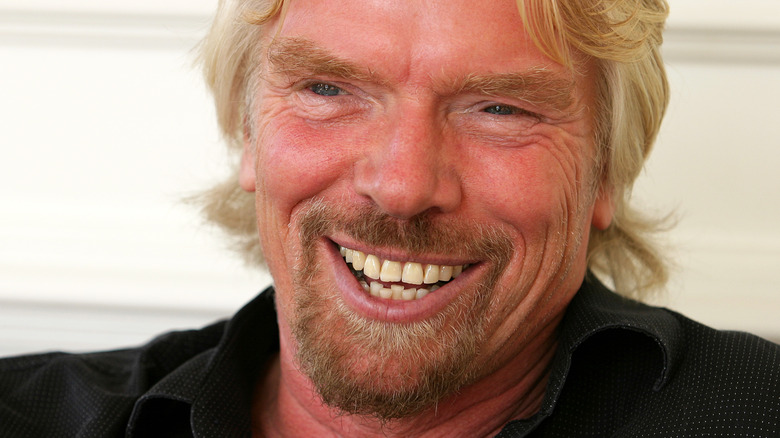
1. Richard Branson: Where Work and Play Share the Same Page
Virgin Group founder Richard Branson has built an empire while living a life most people only dream of. What’s his secret? He refuses to separate work from joy.
For Branson, kite surfing, tennis matches, and family time aren’t rewards at the end of a long day — they are part of the day. He’s also a master delegator, trusting his teams deeply and freeing his time for the things that keep him grounded and energized.
This philosophy helped him grow a global brand without losing himself in the process. Branson’s life proves that balance isn’t about strict separation — it’s about weaving together the threads that matter most.
2. Arianna Huffington: A Wake-Up Call That Changed Everything
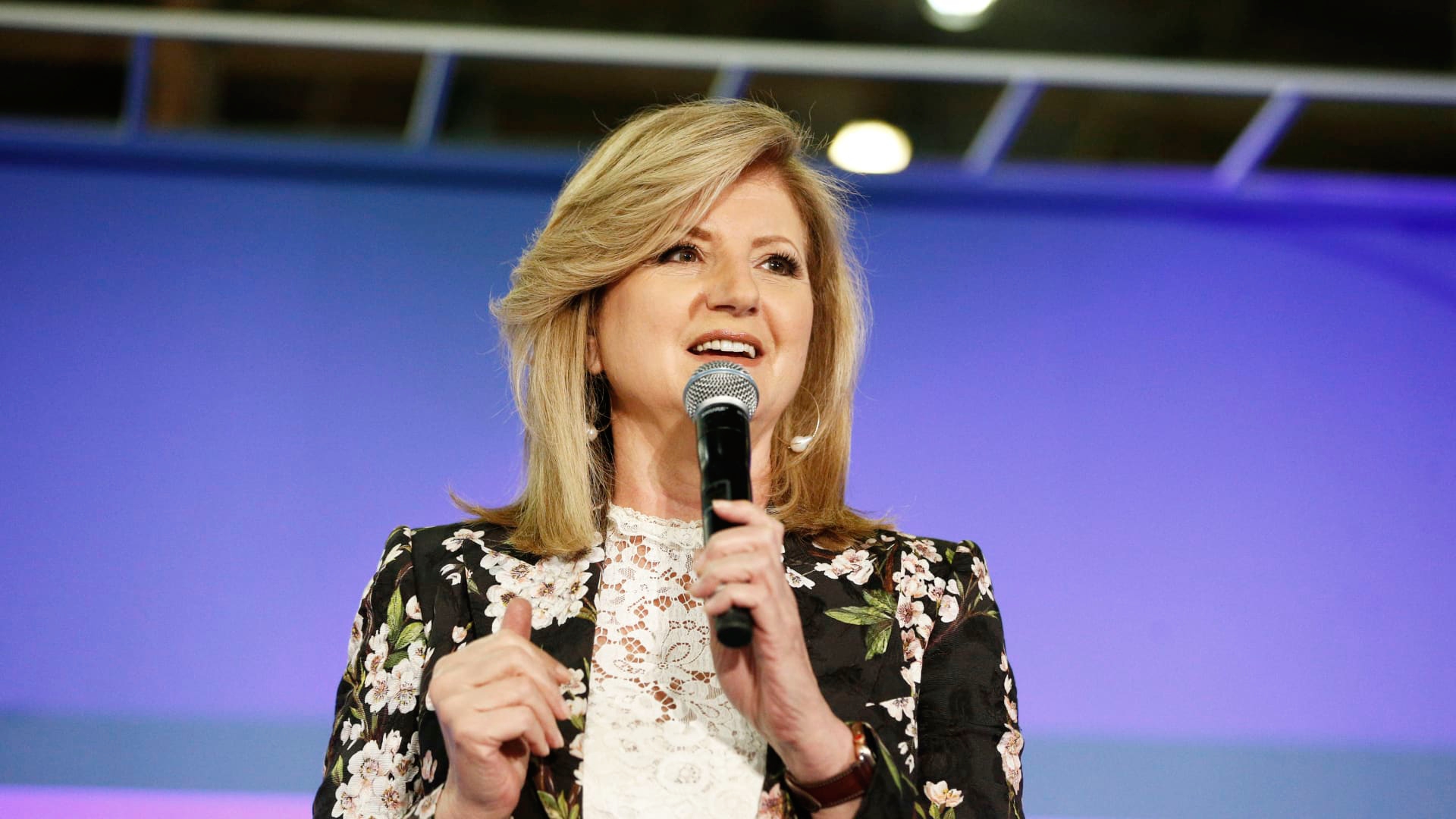
Arianna Huffington’s story is a powerful reminder of what happens when overwork goes unchecked. After years of pushing herself beyond her limits, she experienced a severe burnout episode that ended in physical collapse — a literal fall that became the turning point of her life.
In the aftermath, she rebuilt her definition of success from the ground up. Adequate sleep, meditation, digital boundaries, and intentional rest became her non-negotiables. She shifted her mission, launching Thrive Global to advocate for healthier, more humane ways of working.
Her message is now clear: caring for your mind and body isn’t optional — it’s the foundation upon which meaningful success is built.
3. Bill Gates: Retreating to Move Forward
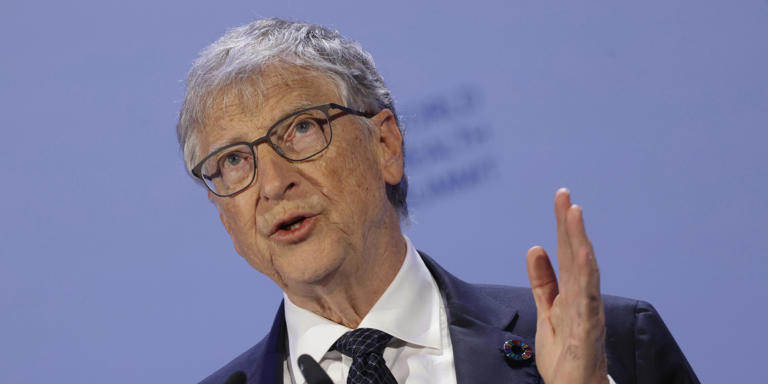
At the height of his Microsoft years, Bill Gates practiced something almost radical by today’s standards: taking time away to think. Twice a year, he would disappear into “Think Weeks”—solo retreats focused only on reading, reflecting, and deep strategic consideration.
Those quiet stretches produced some of Microsoft’s most innovative breakthroughs. They also helped Gates transition smoothly among the many roles he played — CEO, father, philanthropist, global problem-solver.
His habit is a lesson in itself: stepping back can be the most productive move you make.
Balance Isn’t a Myth — It’s a Strategy for Thriving
These leaders remind us that work–life balance isn’t an abstract ideal or a feel-good slogan. It’s a practical and achievable reality — even for the busiest individuals on the planet. Whether it’s blending work with play, rebuilding a healthier life after burnout, or carving out space for deep reflection, each story shows that real success grows from a balanced foundation.
Coaching gives you the roadmap to build that foundation in your own life. It helps you uncover your true priorities, manage your time and energy intentionally, challenge the beliefs that hold you back, and practice healthier habits that last.
Don’t wait for burnout to force a reset.
Your balance is an investment in your health, your relationships, and your best professional self.
Are you ready to claim the version of life you truly deserve? Your coaching journey starts whenever you decide to take the first step.
This article was prepared by trainer Sumia Al-Ahmad, an ICTM certified coach.